
Please complete the form below

Yokohama and Edo began life as sleepy fishing villages. That changed in the early 17th century after Tokugawa Ieyasu became Shogun. Edo became the center of political power in Japan, a position the city retained even after the restoration of Imperial rule in 1866.
Contemporary Tokyo may be the most astonishing city on earth. It’s a paradoxical mix of ancient tradition and postmodern culture. The Ginza – an international shopping mecca – stands near the serene grounds of the Imperial Palace, and the hyper-speed of 21st century consumerism is mysteriously reconciled with the elegance and serenity of traditional culture. Tokyo provides the traveler with a dizzying experience.
With the Meiji Restoration of 1868, Edo was renamed Tokyo, the “Eastern Capital,” to distinguish it from the old imperial capital at Kyoto, the “Western Capital.”
There is a celebratory air in Akita, where year round festivals and street parades are colorfully integrated into daily life. A key city in the Tohoku region since medieval times, Akita was once a castle town of the Satake clan, but today is a vibrant, prosperous city that seamlessly honors its past but embraces its young energetic spirit. Noted for its burgeoning art community, there are several fine museums to explore including The Hirano Masakichi Art Musuem housing a collection of work by Western and Japanese artists, the Akita City Folklore Museum and the Kakunodate Samurai District, a living museum that showcases the samurai way of life. In the neighboring Oga Peninsula, the region’s most famous icon, the terrifying Namahage, has it’s won cultural center and festival ritual performed in his name. Surrounding the city, fertile farmland and rice fields produce some of the best sake in the country and nature lovers won’t know which way to turn – to the west is the picturesque Sea of Japan and to the north, south and east, majestic mountain ranges including the UNESCO World Heritage sight of Shirakami-Sanchi proudly stand. A trip to the revolving observation center Mt. Kanpuzan Observatory solves the dilemma.
Sakatais a medium-sized city in Yamagata Prefecture. Sakata is located in the fertile Shonai Plain that is known for its high-quality rice. The city grew as an important stop along the coastal shipping route that connected Hokkaido with Osaka via ports along the Sea of Japan and Seto Inland Sea during the Edo Period.
A local merchant family, the Honma clan, came to dominate trade in the city and accrued a vast fortune that made them wealthier than some of the country’s feudal lords. Due to their power and influence, the clan developed close ties with the local lords and had a number of lavish buildings built. Some of these buildings still stand today along with museums and other attractions.
Kanazawa, which means “marsh of gold,” draws its name from an old legend in which a Japanese peasant, digging for potatoes, found flakes of gold in the ground. Today, gold leaf is a major art form synonymous with the city, and even has a designated museum. A City of Crafts and Folk Art, Kanazawa is also known for its intricate kaga-nui embroidery and delicate kutani porcelain, among other handicrafts, making it a shopper’s paradise! There’s also no shortage of history in this coastal city. Once boasting geisha houses and a labyrinthine samurai village, the city was built around Kanazawa Castle. Fire destroyed all but a few small 16th-century castle structures – namely the elegant Ishikawa Gate and some watchtowers that have become a focus of many a photograph today. Just outside the castle park blooms the enchanting Kenroku-en Garden, one of the Three Great Gardens of Japan, and the home of the country’s oldest fountain.
Wedged between sea, sky and mountains, this small fishing port has been esteemed for centuries for its superb seafood. Here, the Sea of Japan yields up both crab and hon-maguro, the prized Bluefin tuna esteemed by gourmets around the world. Sakaiminato is also your gateway to a very ancient region of Honshu. West of the city lies Izumo-taisha, one of the oldest and holiest shrines in Shinto. This area is dotted with burial mounds from Japan’s Bronze Age. The town of Matsue boasts the celebrated “Black Castle,” a six-story, black-walled castle that home to a clan of the mighty Tokugawa dynasty that ruled Japan for over 250 years. And to the east rises the great snow-capped summit of Mt. Daisen, considered one of the four most scenic mountains in all Japan.
The second largest city in South Korea, Busan is your gateway to a fascinating land whose culture is a unique amalgam of old and new. Modern high-rise towers dwarf ancient Buddhist temples. The city’s bustling business district offers a stark contrast to the serene grounds of Yongdusan Park. In short, Busan is a microcosm of South Korea, a nation whose startling economic success often obscures one of Asia’s most sophisticated and venerable cultures.
Busan was the scene of bitter fighting during the Korean War. The United Nations Memorial Cemetery marks the final resting place for the troops from 16 nations who gave their lives during the conflict.
For most travelers, Nagasaki is a symbol of the horror and the inhumanity of war. An estimated 75,000 people perished in 1945 when the city became the second target of a nuclear attack. Today, Nagasaki’s Peace Park and Atomic Bomb Museum draw visitors from around the world.
But this beautiful city on Kyushu offers other sights. Often described as the San Francisco of Japan, the city occupies verdant hills surrounded by a deep-water bay. For three centuries, Nagasaki was Japan’s sole window on the world. The city is also celebrated as the setting for Puccini’s opera “Madame Butterfly.”
From the 12th century to the Meiji Restoration of 1868, Kagoshima was the chief stronghold of the mighty Shimazu clan. The city lies at the top of the Satsuma Peninsula, a mountainous, geothermal wonderland of hot springs and geysers. The area is also rich in modern Japanese history: Saigo Takamori and the Satsuma samurai were leaders of the Meiji Restoration that toppled the shogun and restored the Emperor to power in 1868. In 1877, dissatisfied with the direction of the new government, Saigo led the Satsuma Rebellion, which ended in his death and the final defeat of the samurai.
The symbol of Kagoshima is Sakura Jima – the volcanic island that sits just offshore. The volcano has erupted over 30 times in recorded history.
Yokohama and Edo began life as sleepy fishing villages. That changed in the early 17th century after Tokugawa Ieyasu became Shogun. Edo became the center of political power in Japan, a position the city retained even after the restoration of Imperial rule in 1866.
Contemporary Tokyo may be the most astonishing city on earth. It’s a paradoxical mix of ancient tradition and postmodern culture. The Ginza – an international shopping mecca – stands near the serene grounds of the Imperial Palace, and the hyper-speed of 21st century consumerism is mysteriously reconciled with the elegance and serenity of traditional culture. Tokyo provides the traveler with a dizzying experience.
With the Meiji Restoration of 1868, Edo was renamed Tokyo, the “Eastern Capital,” to distinguish it from the old imperial capital at Kyoto, the “Western Capital.”
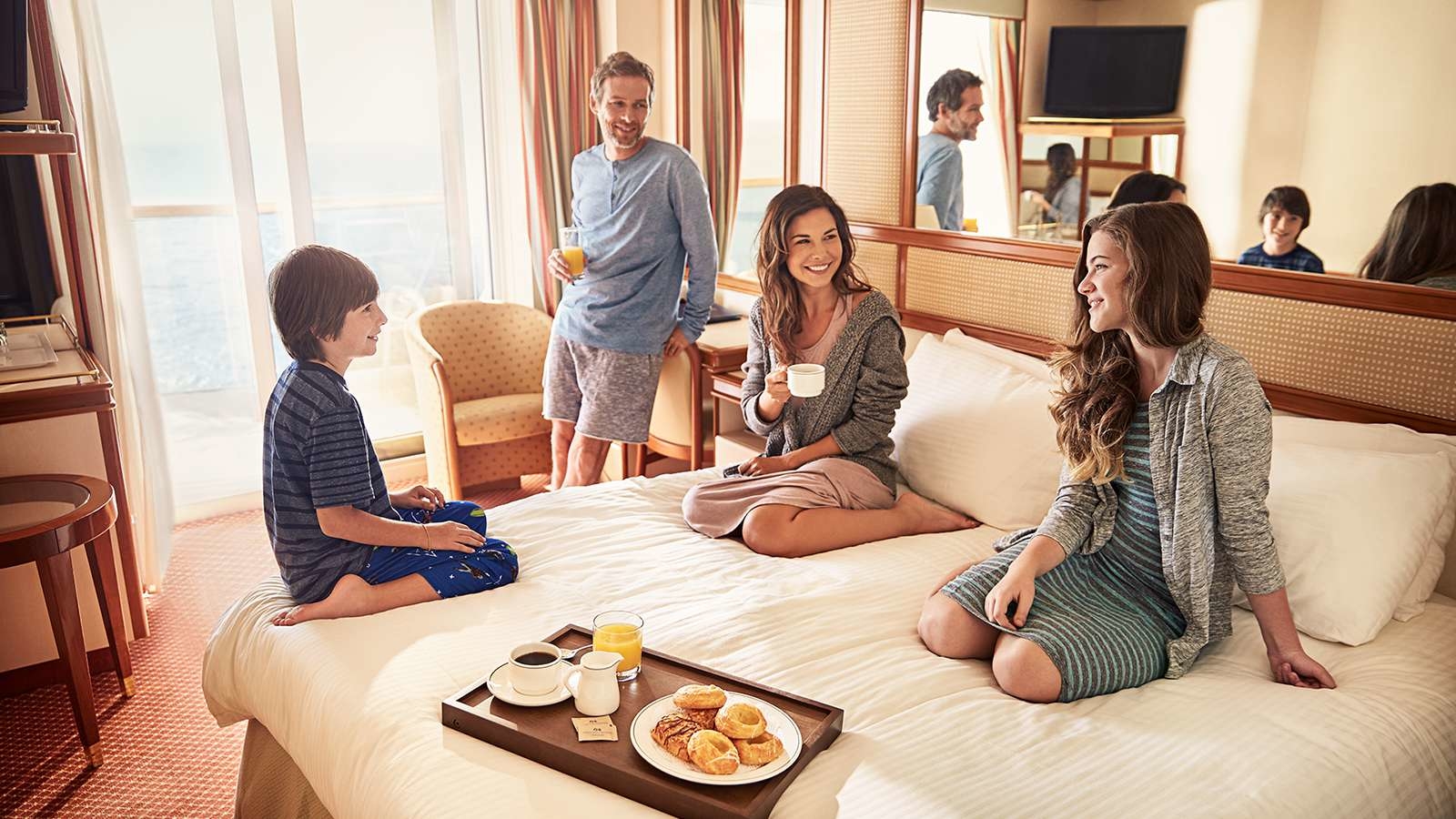
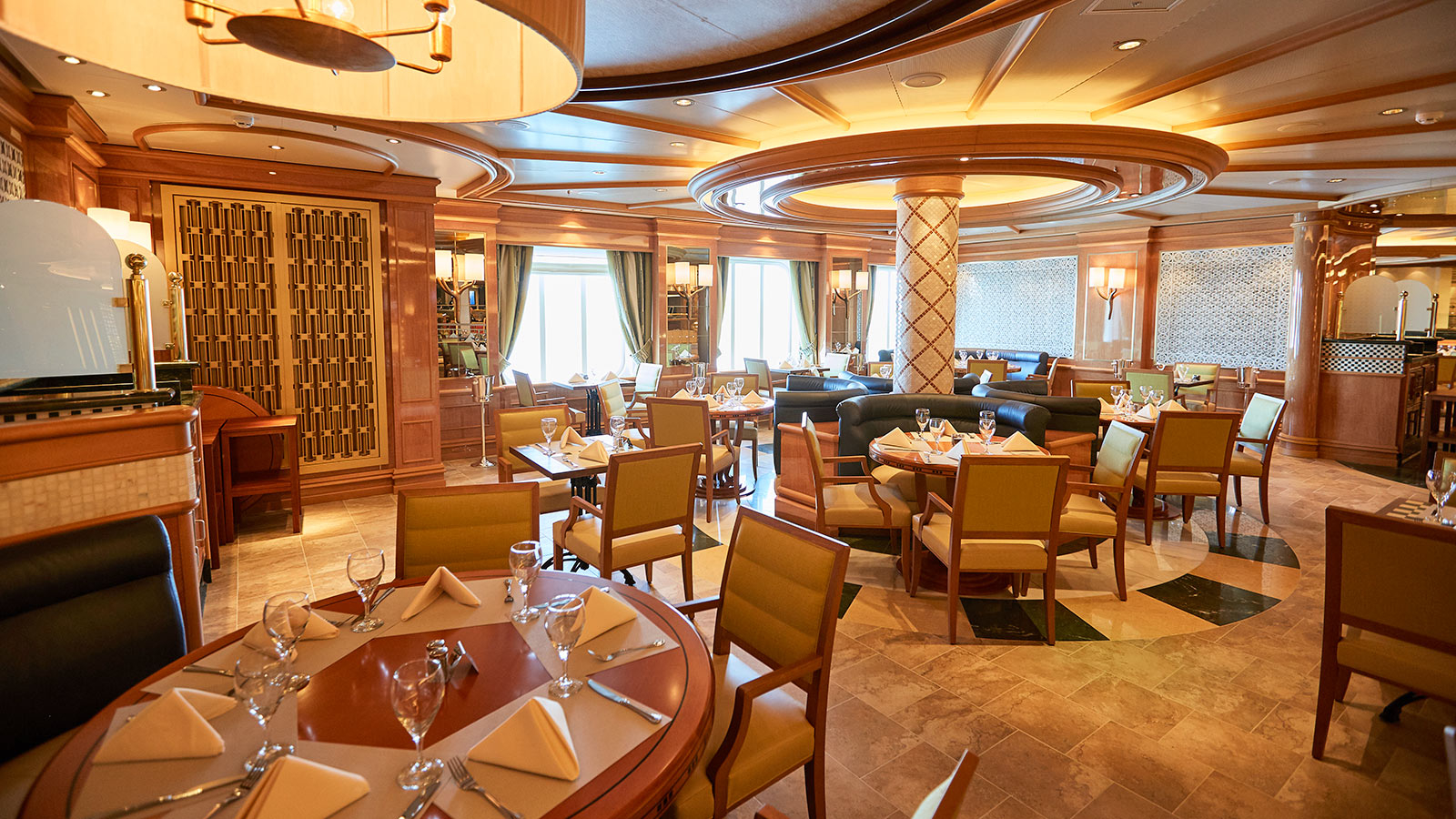
As you set your sights on the wonders of the world, let Sapphire Princess indulge your every whim. Over 700 balconies, world-class gourmet dining and dazzling entertainment options are just the beginning of your sea-going adventure. Dance the night away, enjoy casino gaming or relax and rejuvenate body and mind at the Lotus Spa.
Club Fusion
Explorers Lounge
Night Club
Princess Theatre
Show Lounges
Skywalkers Nightclub
Churchill Lounge
Lotus Spa
Fitness Center
Jogging Track
Ocean View Gymnasium
Sports Court
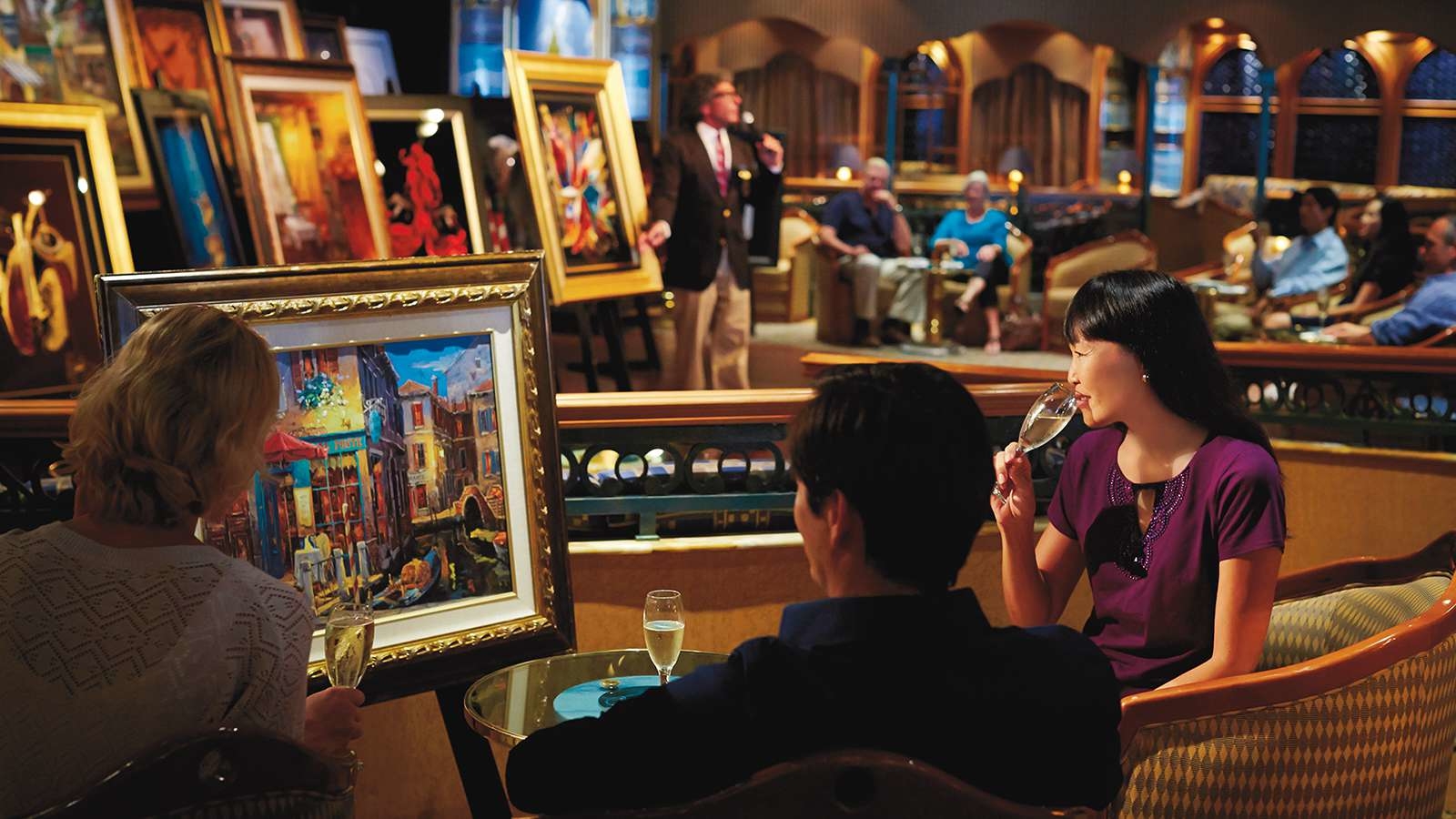
Art Gallery
Atrium
Duty-free shop
Guest Relations Office
ScholarShip@Sea
Wedding Chapel
Writing Room
24-hour Room Service
Churchill Lounge
Crooners Bar
Fabio’s
Hamburger Grill
Horizon Court
Ice Cream Bar
International Dining Room
Pacific Moon Dining Room
Patisserie
Sabatini’s Italian restaurant
Santa Fe Dining Room
Savoy Dining Room
Sports Bar
Sterling Steakhouse
Trident Grill
Ultimate Balcony Dining
Vivaldi Dining Room
Wake View Bar
Wheelhouse Bar
Wine bar
9-hole Mini Golf
Card Room
Cyber Golf
Golf Simulator
Kids Club
Library
Shuffle Board
Skywalkers NightClub
Swim-against-the-current lap pool
Please complete the form below